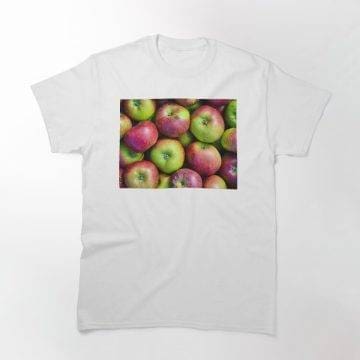
That one tee. The one with the clockwork wolf, the neon skull bouquet, or the vintage truck that looks like it drove out of a dream and into your closet.
You wear it hard because it says something for you. But every wash is a tiny boss fight: will the ink stay bold, or will the design come out looking like it survived a sandstorm?
This is the practical, no-mystery way to keep printed graphic tees looking crisp. Not precious. Not complicated. Just the habits that protect the art.
The real enemies of printed graphics
Most graphic tee prints don’t die from “washing” in general. They die from friction, heat, and harsh chemistry stacked together.
Friction is what roughs up the surface, especially when a printed area rubs against denim seams, zipper teeth, towels, or other tees with heavy texture. Heat is what weakens many inks and adhesives over time, making cracking and peeling more likely. Harsh detergents, brighteners, and stain fighters can slowly strip pigment or roughen the fibers that hold the print flat.
So if you remember one theme: reduce rubbing, keep temperatures moderate, and avoid aggressive products unless you truly need them.

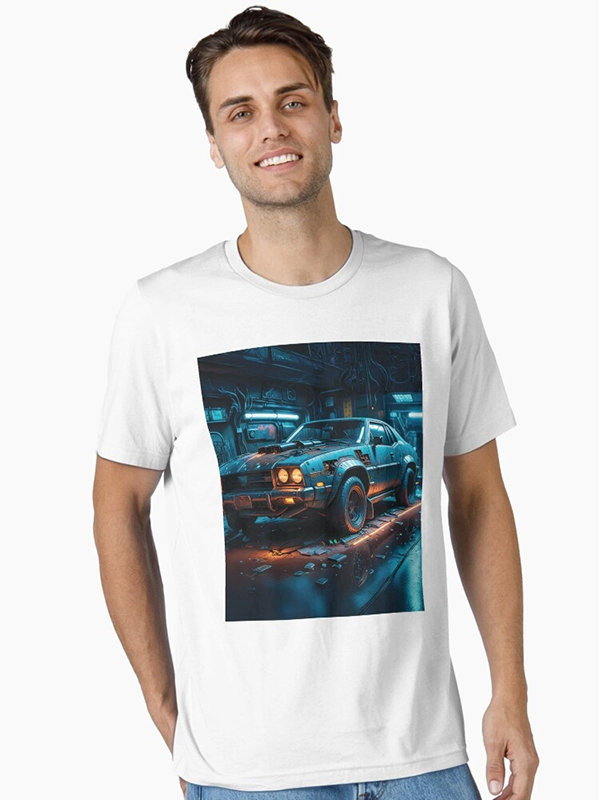
More products: https://www.redbubble.com/shop/ap/172442008?asc=u
How to wash printed graphic tees (the default method)
Most of the time, the safest approach is also the easiest: turn it inside out, wash cold, use a gentle detergent, and keep the cycle calm.
Start by flipping the shirt inside out before it hits the hamper or the washer. That simple move puts the printed face of the tee against itself instead of against the rest of your laundry. If you only do one thing, do that.
Choose cold water. Cold is easier on the print and on the fibers, and it helps prevent that slow fade that makes blacks go charcoal and brights go pastel. Warm water can be fine occasionally, but if your goal is maximum life for the graphic, cold is the default.
Use a mild detergent. You don’t need a “specialty tee detergent,” just something that isn’t heavy on bleach, optical brighteners, or intense stain agents. If your detergent smells like it could power-wash a driveway, it may be overkill for printed art.
Pick a gentle or normal cycle rather than a heavy-duty one. Heavy-duty cycles increase agitation, and agitation is basically controlled friction. Your tee doesn’t need to be punished to get clean.
Finally, don’t overload the washer. Crowding causes more abrasion because everything is pressed together and dragged around. A little breathing room is a quiet form of print protection.
Sorting matters more than people think
If your graphic tees are part of your identity, treat sorting like a small ritual, not a chore.
Wash tees with other soft items when you can. Hoodies, sweats, and other tees are friendly neighbors. Towels are not. Towels are abrasive, and they shed lint that can cling to prints and make them look dull.
Zippers and Velcro are also printed villains. A jacket zipper scraping a print for 40 minutes is a recipe for microscuffs. If you have to wash items with zippers, zip them up and turn them inside out, too, or toss your tee in a mesh laundry bag to create a barrier.
Color sorting helps, but not just for the fabric. Some dyes and wash loads are simply harsher. Dark loads often run cooler and gentler in practice because people are trying to prevent fading. Whites sometimes get brighteners or bleach-like products that are rough on many prints. Keep printed tees out of “nuke it white” loads.
Detergent, softener, and what to skip
Detergent choice is where a lot of accidental damage happens, mostly because the product is too aggressive for the mission.
Bleach is the obvious no for most printed shirts. Even when it doesn’t hit the print directly, bleach exposure can weaken fibers and change the shirt color around the graphic, which makes the art look off.
Fabric softener is a “depends.” Some people love the feel, but softeners can leave residue that affects breathability and can build up on fabric over time. That buildup can make a shirt look less fresh and can dull the surface around the print. If you like softener, use a smaller amount and avoid pouring it directly onto the shirt.
If odor is the issue, try a smaller load, an extra rinse, or washing sooner rather than later. Sweat set into fabric over days needs more aggressive cleaning, which is harder on prints.
Stains: targeted treatment without sacrificing the art
Stains happen. Coffee, hot sauce, makeup, grass, whatever. The trick is to treat the stain, not the whole shirt, like it’s a crime scene.
First, avoid scrubbing directly on the printed area. Scrubbing is friction with intent, and prints lose that fight.
If the stain is near the print, treat from the inside of the shirt when possible. Put a little mild detergent on the stained fibers and gently work it with your fingers. Let it sit briefly, then wash cold. For greasy stains, a small dab of dish soap can work, but keep it away from the graphic as much as you can and rinse thoroughly.
If you’re tempted to use a heavy stain remover spray, test it on a hidden seam or inside hem first. Some sprays can leave a lighter patch or change the hand feel of the fabric, which becomes noticeable around a bold graphic.
Drying: where most prints get hurt
If washing is the boss fight, the dryer is the surprise final level.
High heat is the enemy of many printed graphics. It can accelerate cracking and can soften adhesives in heat-transfer-style prints, making edges more vulnerable.
Air drying is the gentlest option. Hang the tee inside out or lay it flat. If you hang it in direct sunlight for hours, though, you’re trading heat for UV exposure, which can fade colors. Shade is your friend.
If you use a dryer, choose low heat and pull the shirt out while it’s still slightly damp, then finish air drying. That reduces heat time dramatically while still keeping laundry day practical.
Also, don’t let graphic tees bake in a dryer load that’s too full. Overcrowding increases both friction and uneven heat.
How often should you wash a graphic tee?
This one depends on how you wear it.
If you wore it for a few hours, stayed cool, and it’s not stained, you can often get another wear. Overwashing is a real source of fading and print wear.
If you sweat heavily, wore it to a show, or layered it under something that traps heat, wash it. Body oils and sweat left in the fabric can set over time, and removing them later usually requires harsher cleaning.
A good middle ground is to hang the tee after wearing it instead of tossing it in a pile. Let it breathe, then decide with your eyes and nose.
The tag is not a suggestion (but it’s not a law either)
Care tags vary because printing methods vary. Some tees have direct-to-garment prints that feel like the fabric; others have a more raised, solid graphic layer. Different inks react differently to heat, agitation, and chemicals.
If the tag says cold wash and low dry, believe it.
If the tag says you can tumble dry, you still might choose air drying if you want the print to look brand-new longer. The trade-off is time and a little stiffness versus heat exposure. Some people don’t mind a slightly “broken-in” print look. If you want that vintage fade, a warmer wash, and occasional dryer use will get you there faster. Just know you’re choosing character over longevity.
Storage: keeping the graphic from cracking on the hanger
Washing and drying are the big pieces, but storage matters more than people admit.
If you fold graphic tees, avoid making a hard crease directly through the printed area every single time. Repeated creasing can encourage crack lines, especially on thicker prints. Rotate the fold or fold so the graphic sits flat.
If you hang them, use a hanger that doesn’t stretch the collar. A stretched collar makes a tee look tired, even if the print is perfect. And if your closet gets hot, that steady warmth can age prints faster, especially in summer.
Quick reality check: when prints fail anyway
Sometimes you do everything right, and a print still cracks. That can come down to the print style, the base shirt, and how the ink bonded. A super-soft fashion tee with a tight weave may hold detail beautifully but show wear faster than a heavier cotton blank. A thick, bold print might look incredible out of the box, but be less flexible than the fabric underneath.
If you’re collecting tees as wearable art, it helps to treat longevity like a spectrum, not a promise.
A note for shoppers who live in graphic tees
If you’re the kind of person who picks designs like you pick usernames – with intent and a little drama – caring for your shirts is part of the story. The better you wash them, the longer you get to keep that clockwork romance or skull-and-roses energy in full color.
When you’re browsing curated designs from independent artists, sites like shopwithtshirts.com are a discovery layer – they point you to marketplace product pages where checkout, shipping, and customer service are handled by the platform, while the blog content helps you find art that feels like you.
Keep the wash routine simple, keep the heat low, and let the print stay loud for as long as you do.
Discover more from Shop with t-shirts, variety of products
Subscribe to get the latest posts sent to your email.